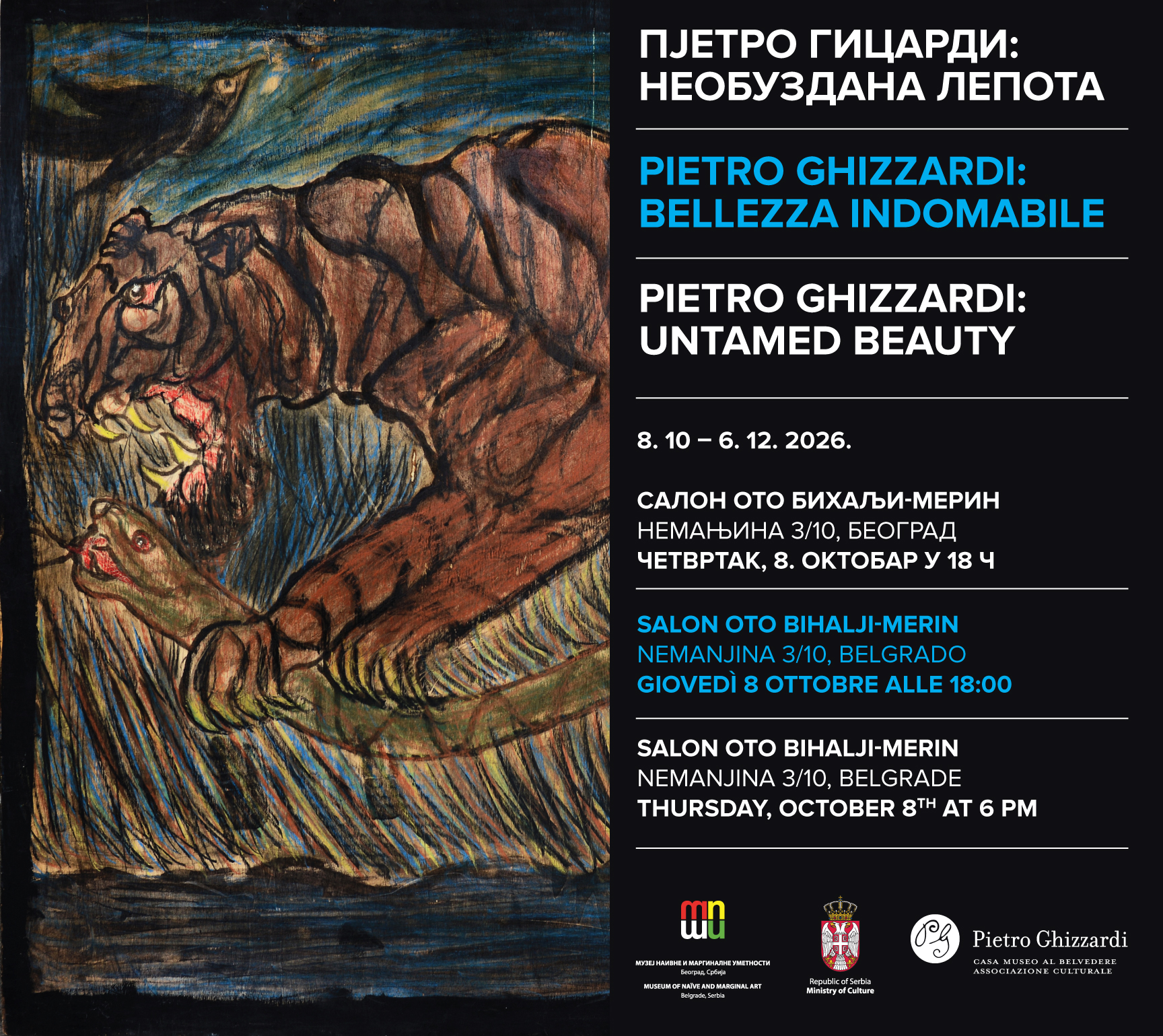
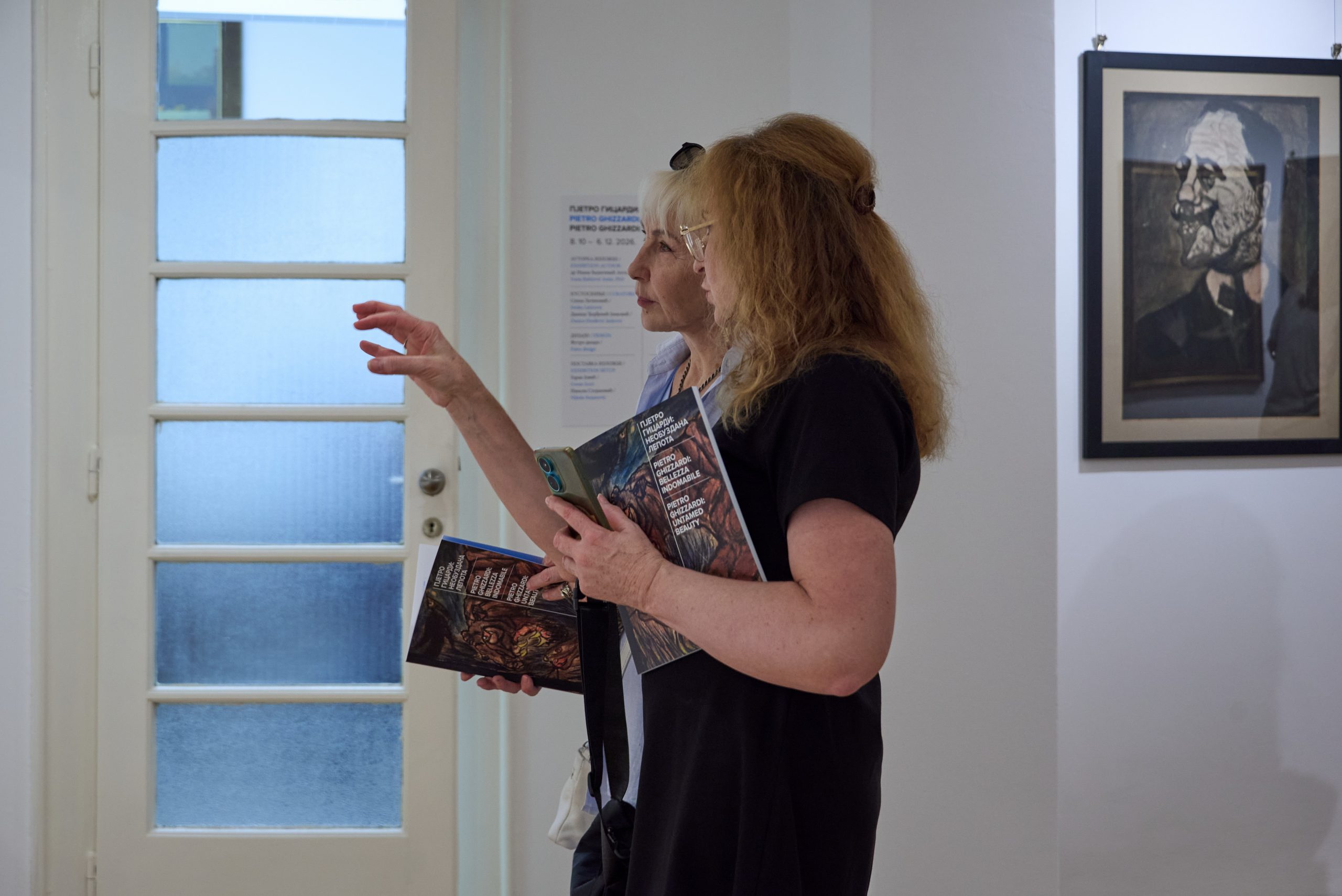
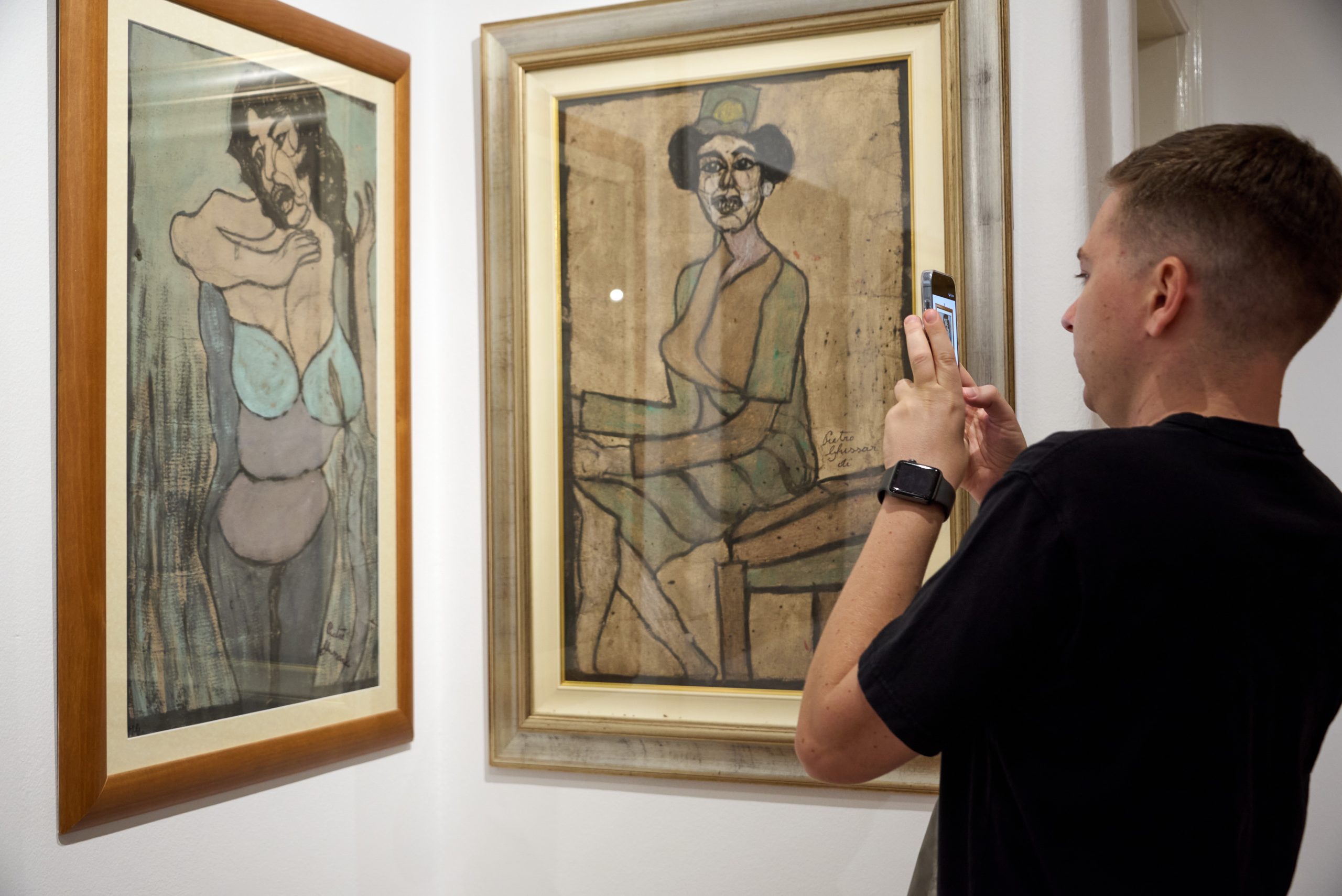
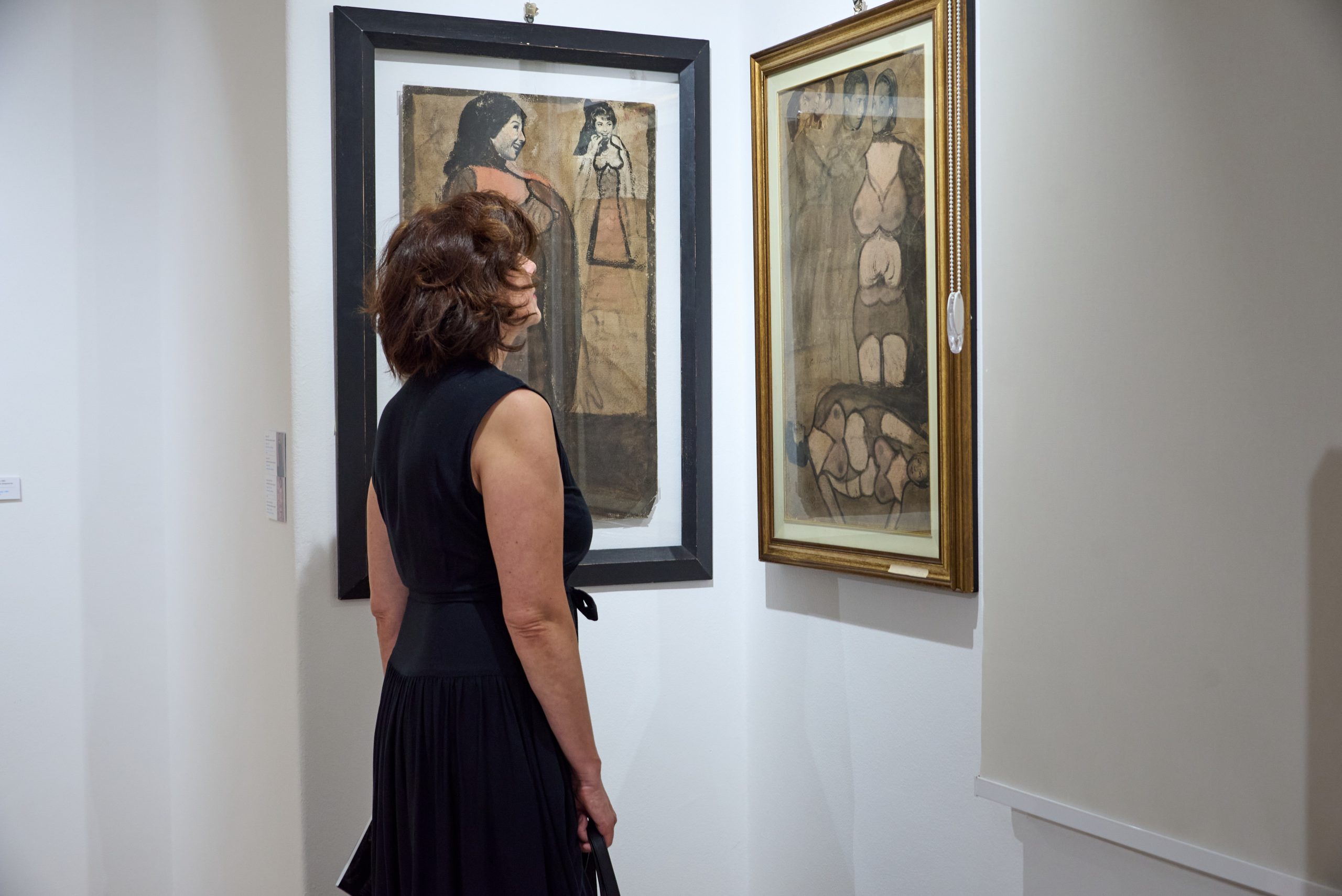
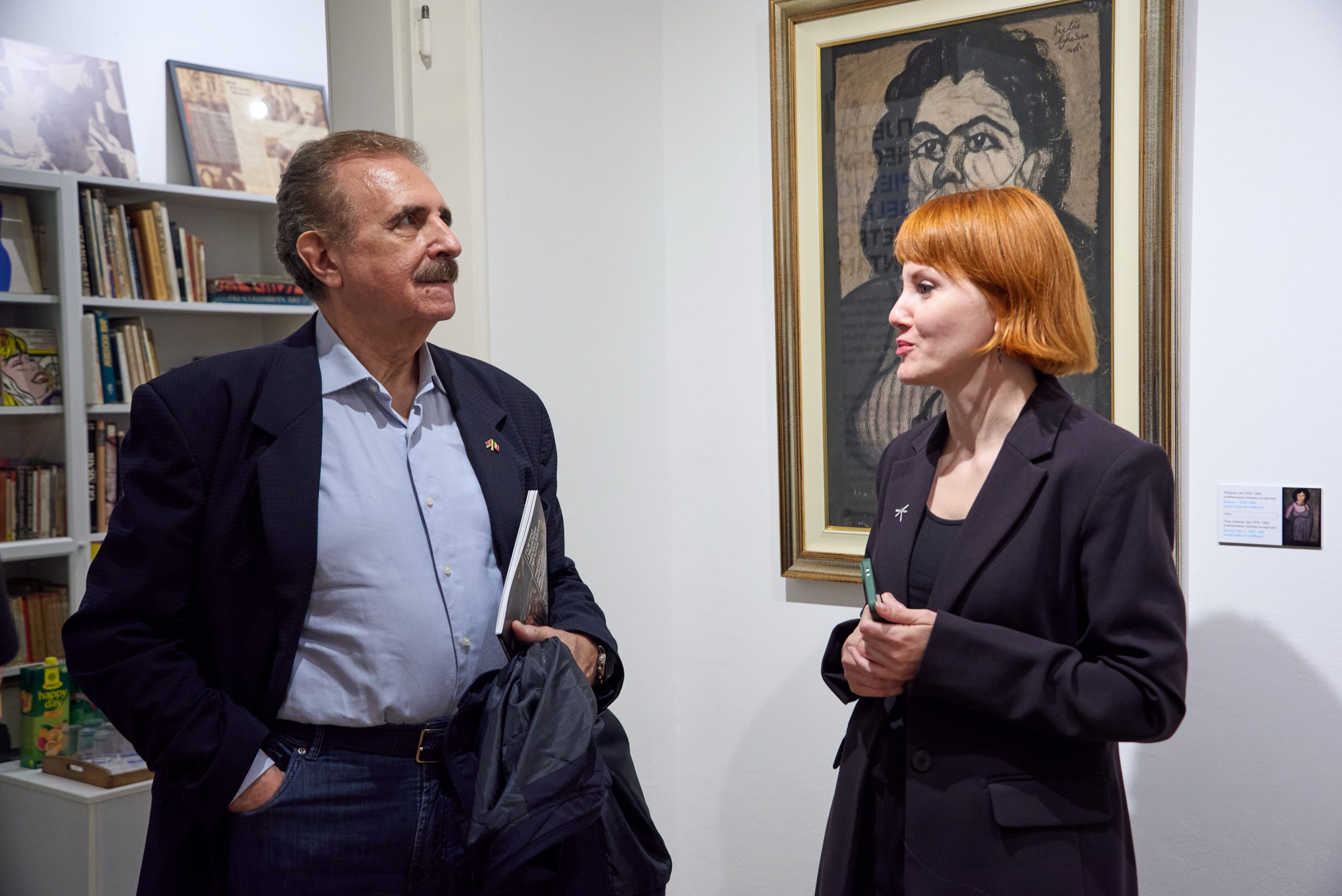
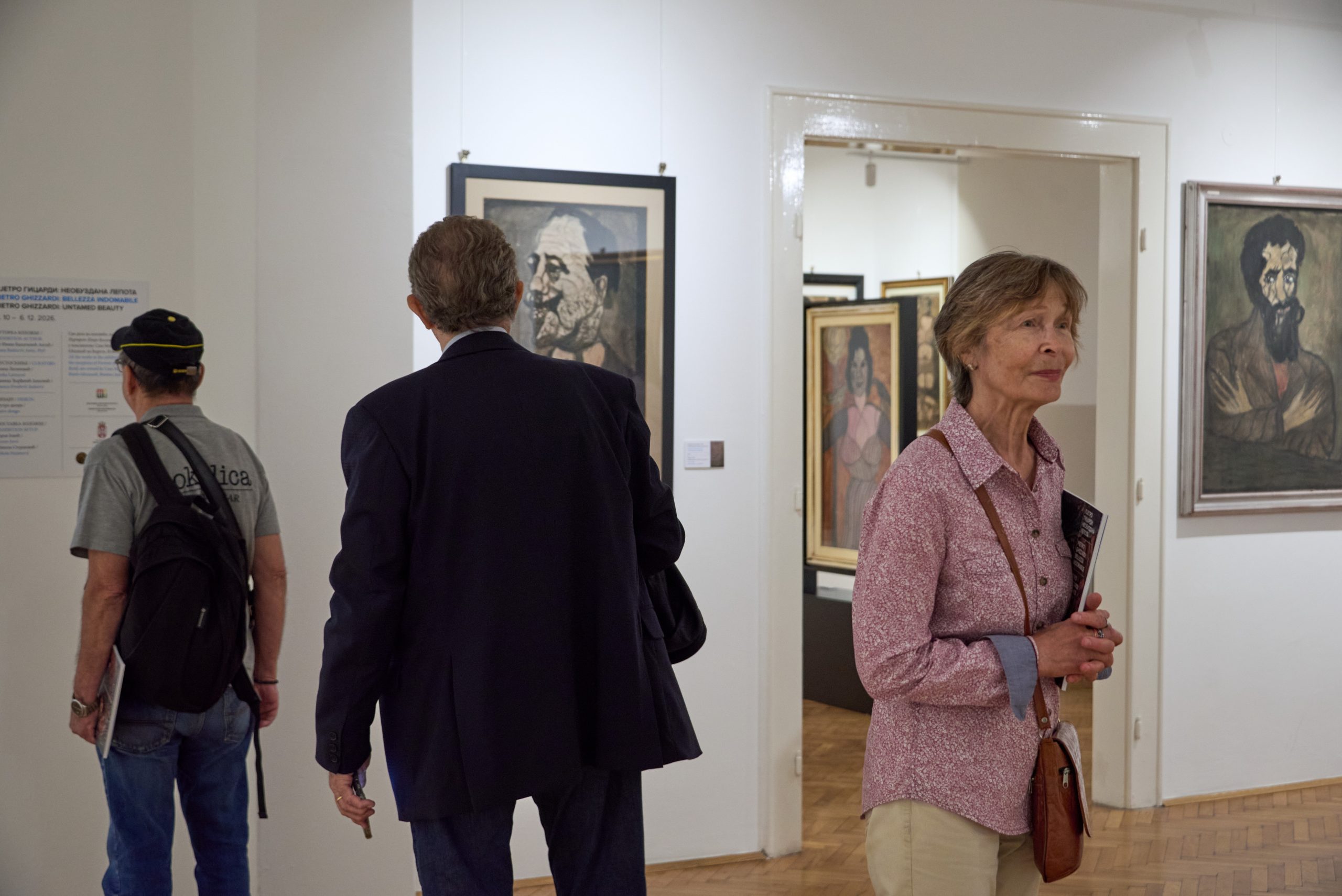
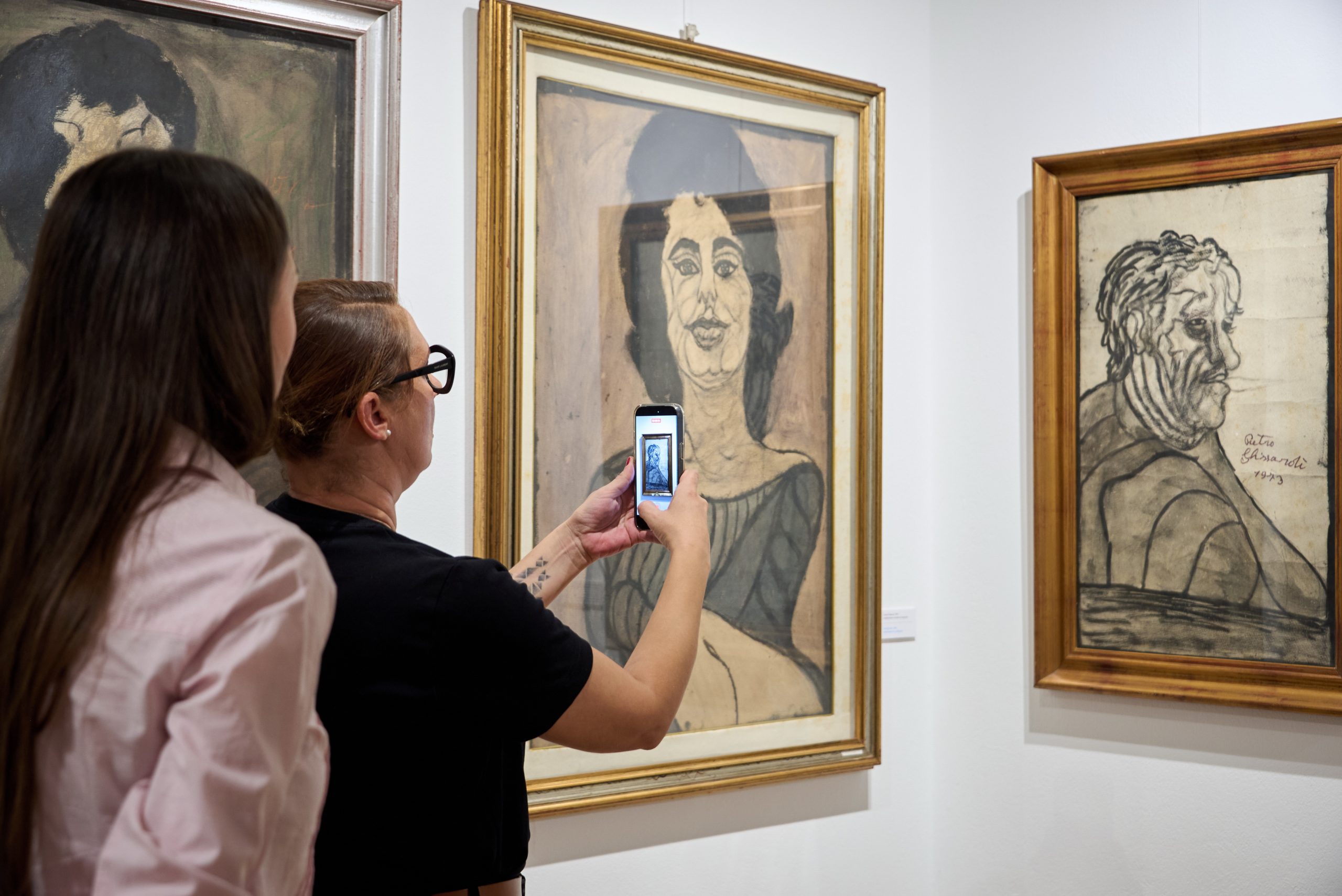
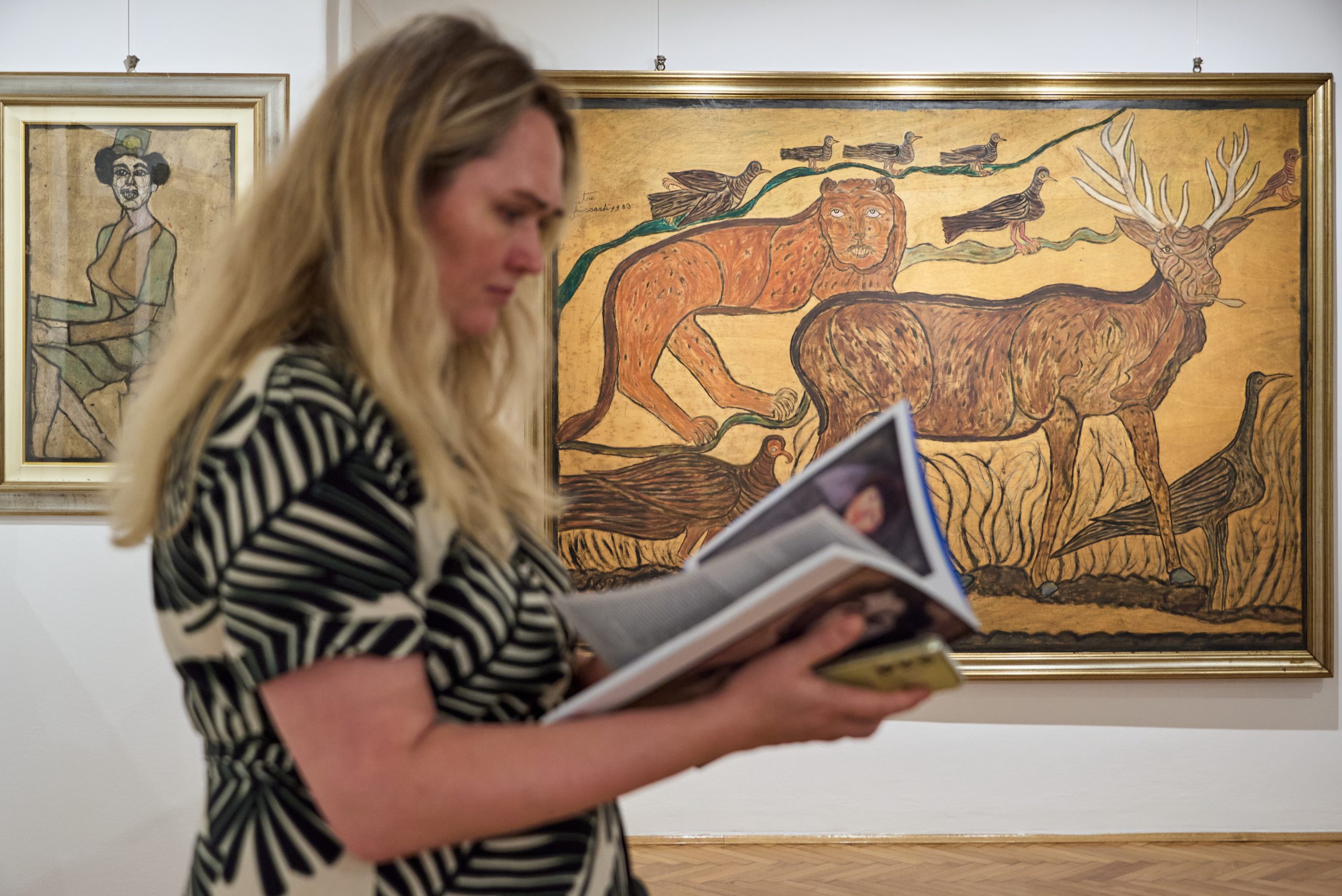
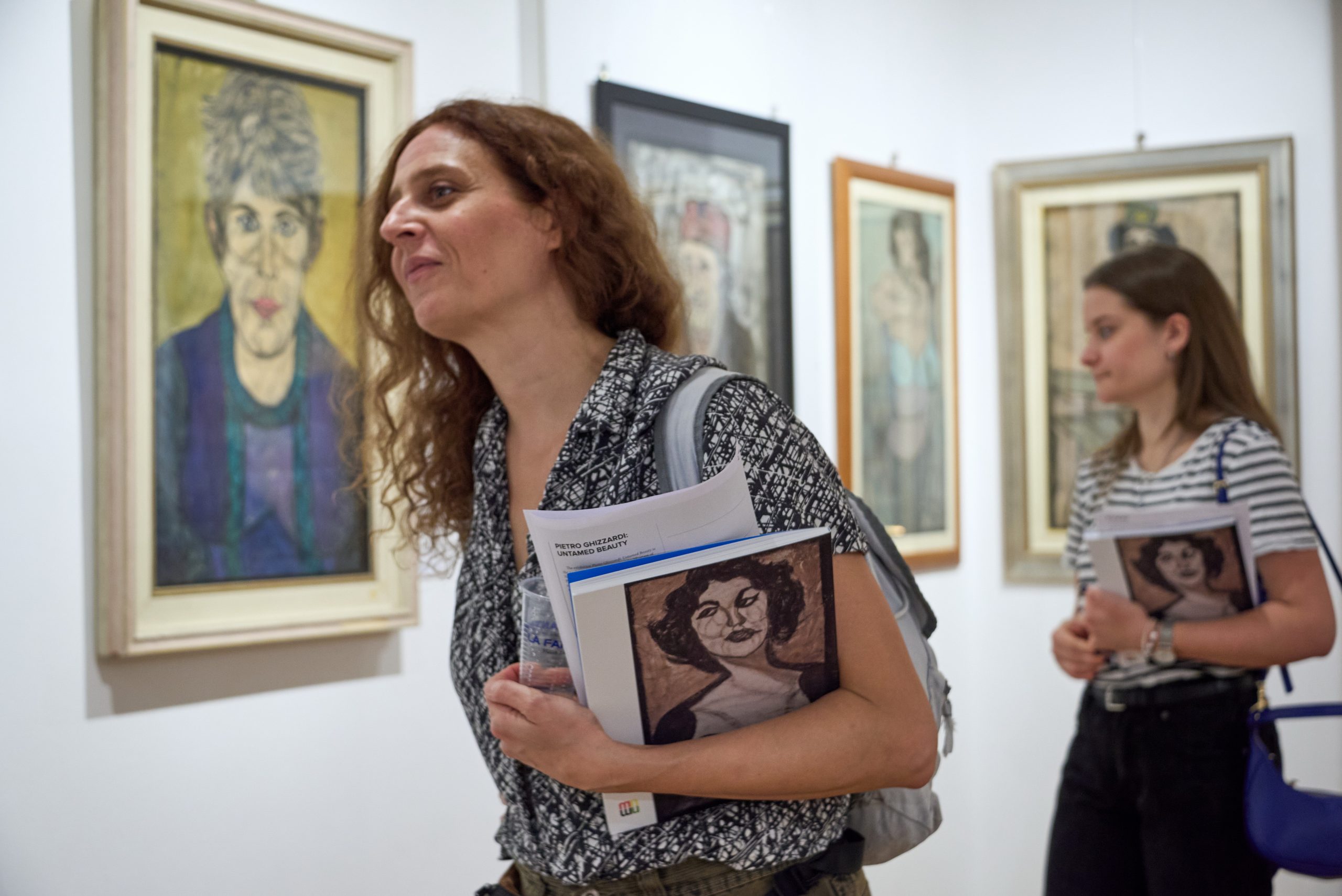
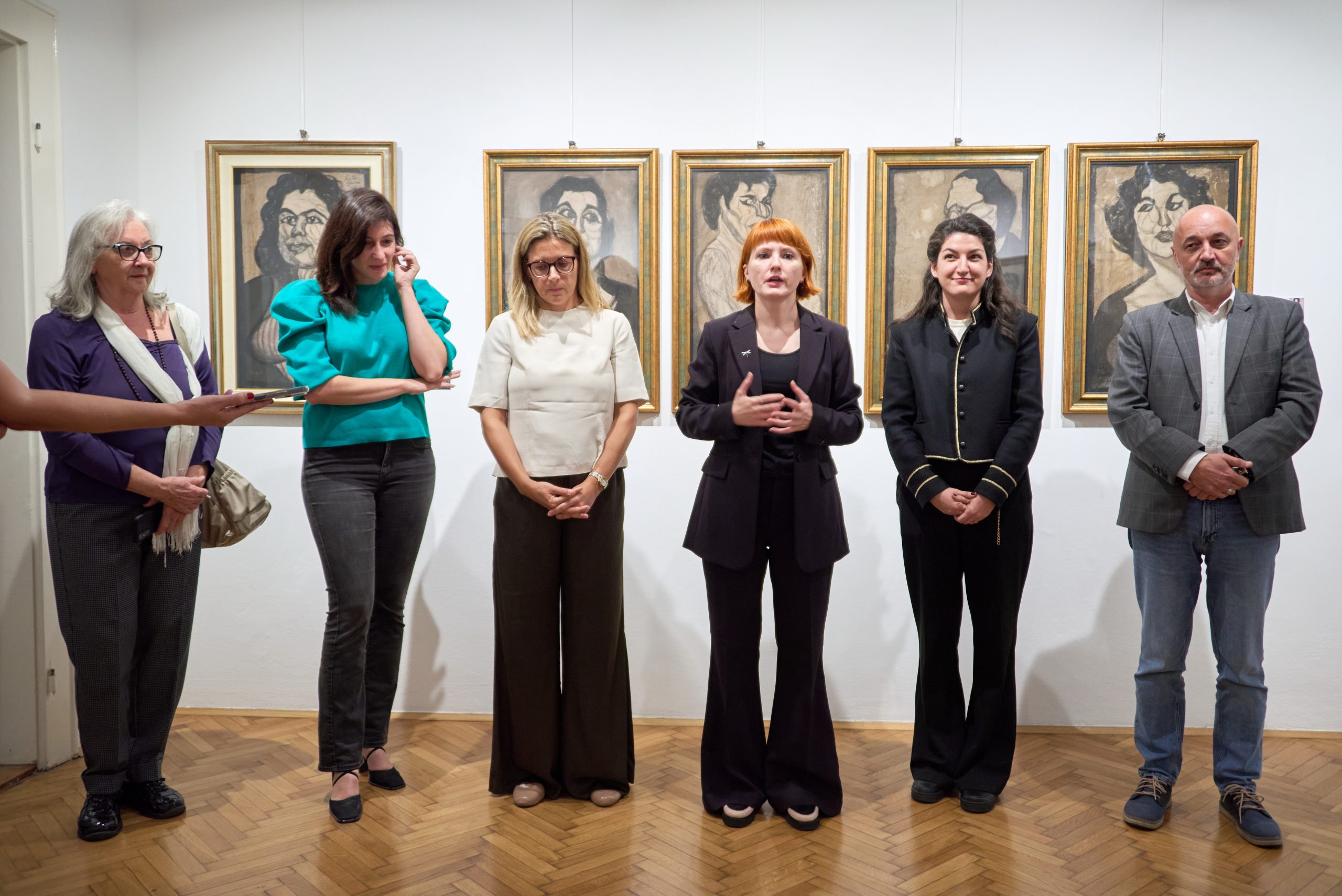
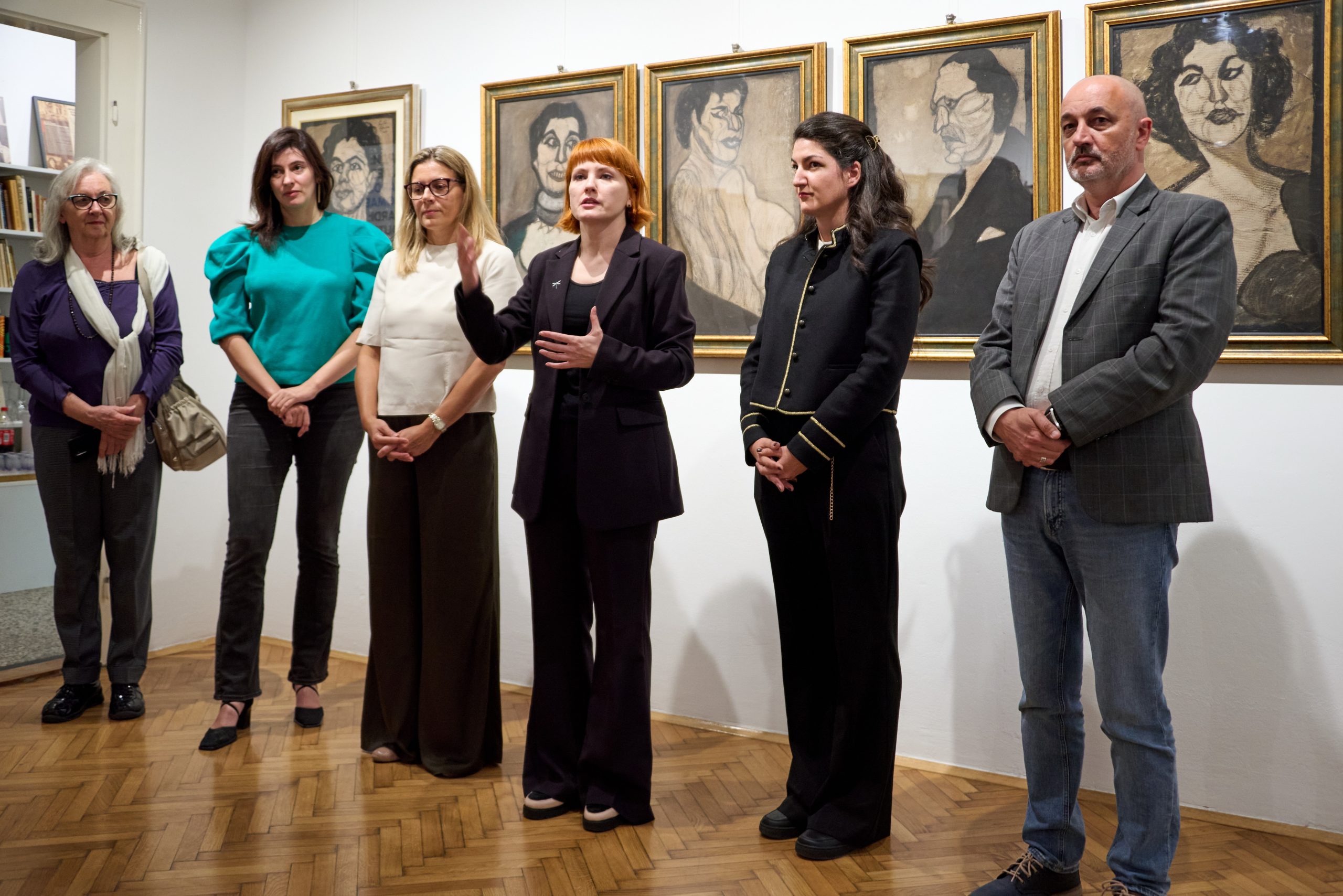
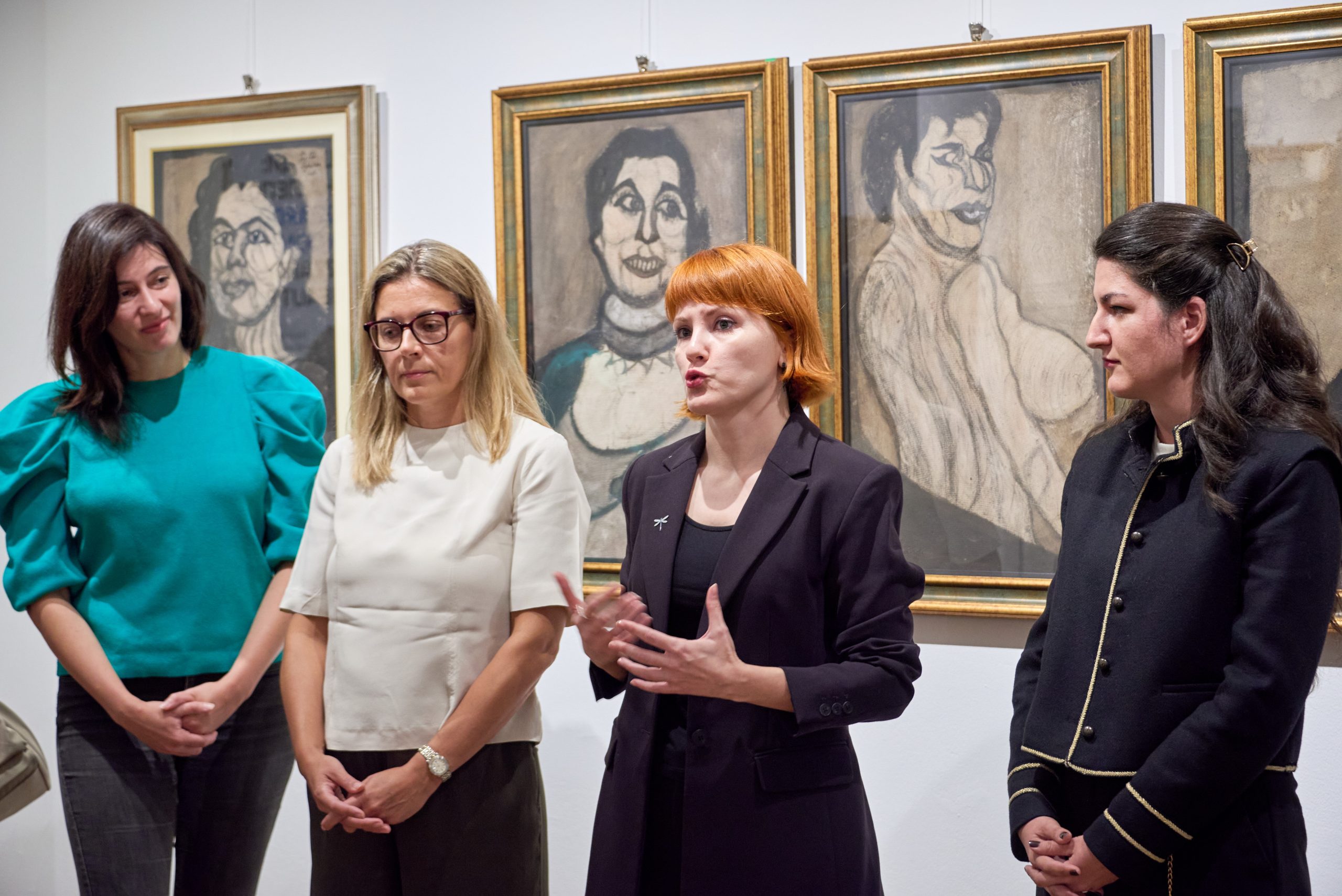
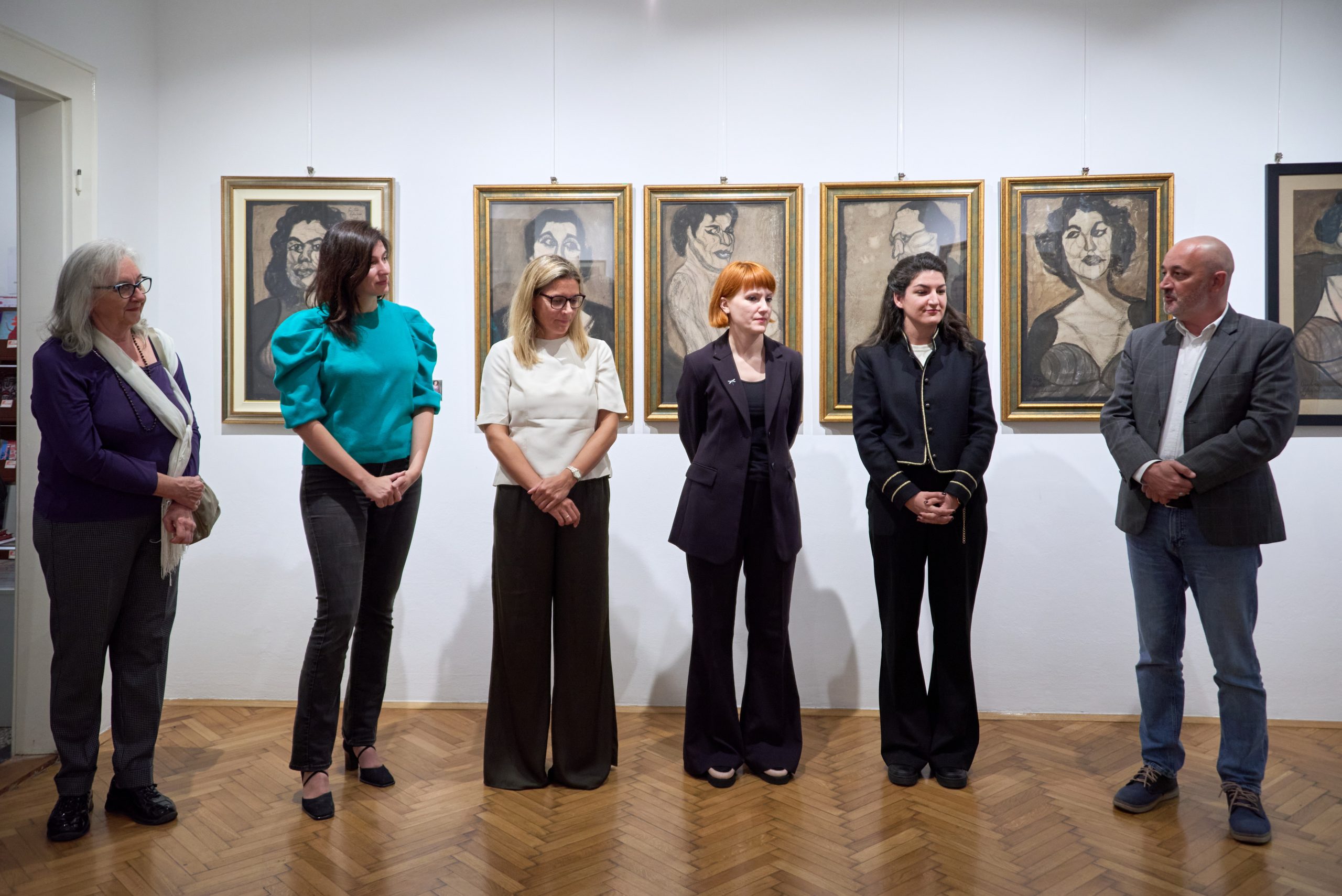
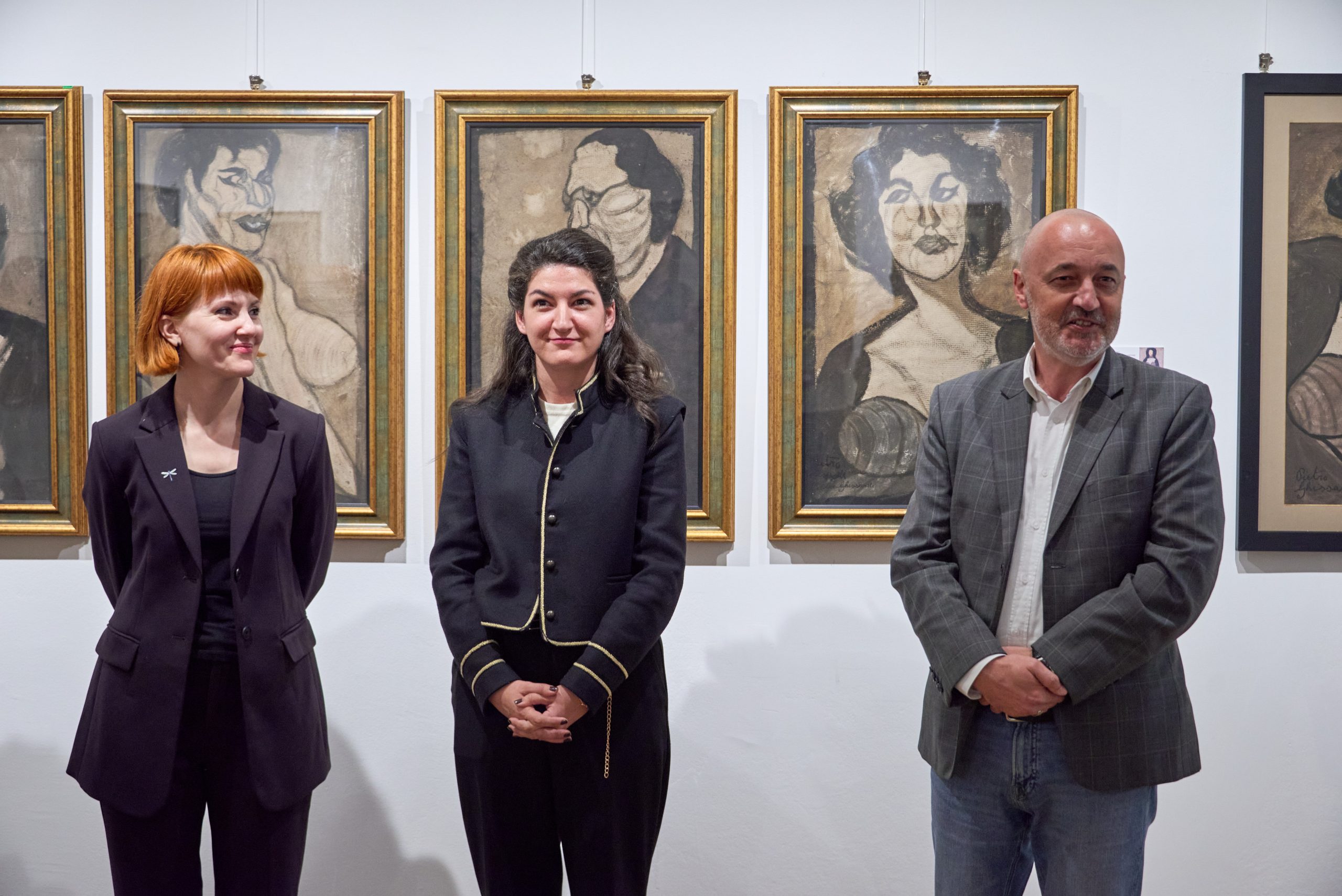
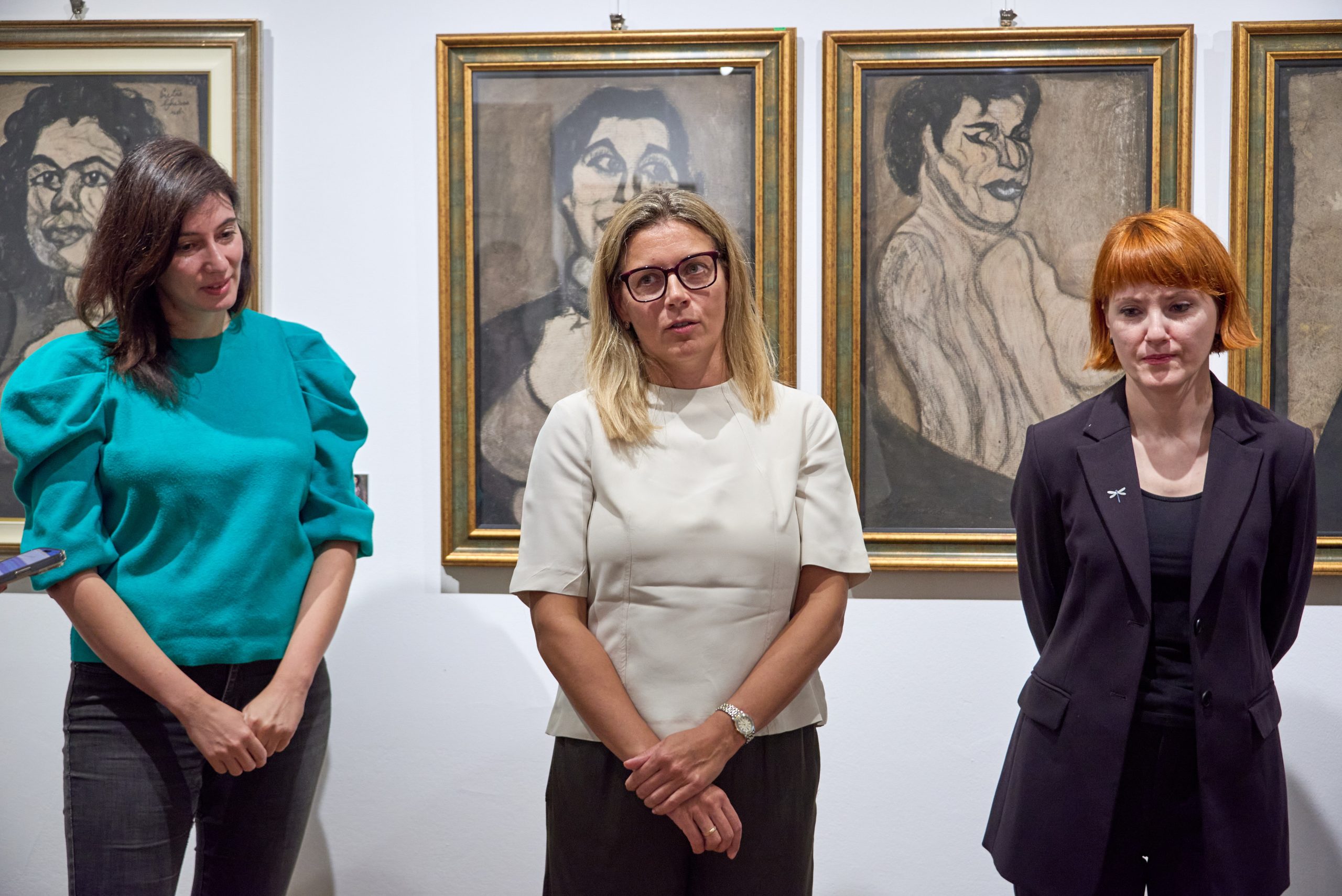
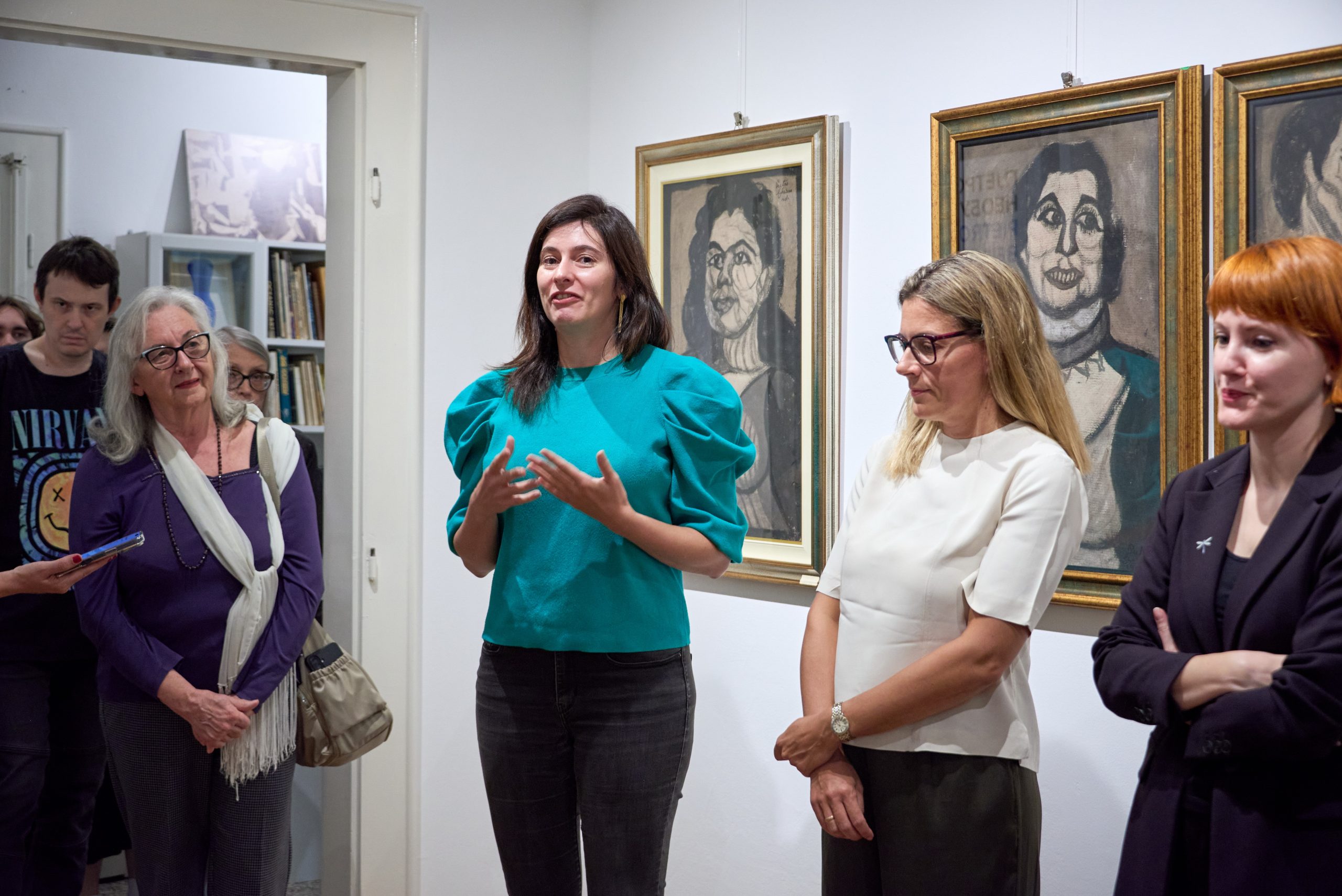
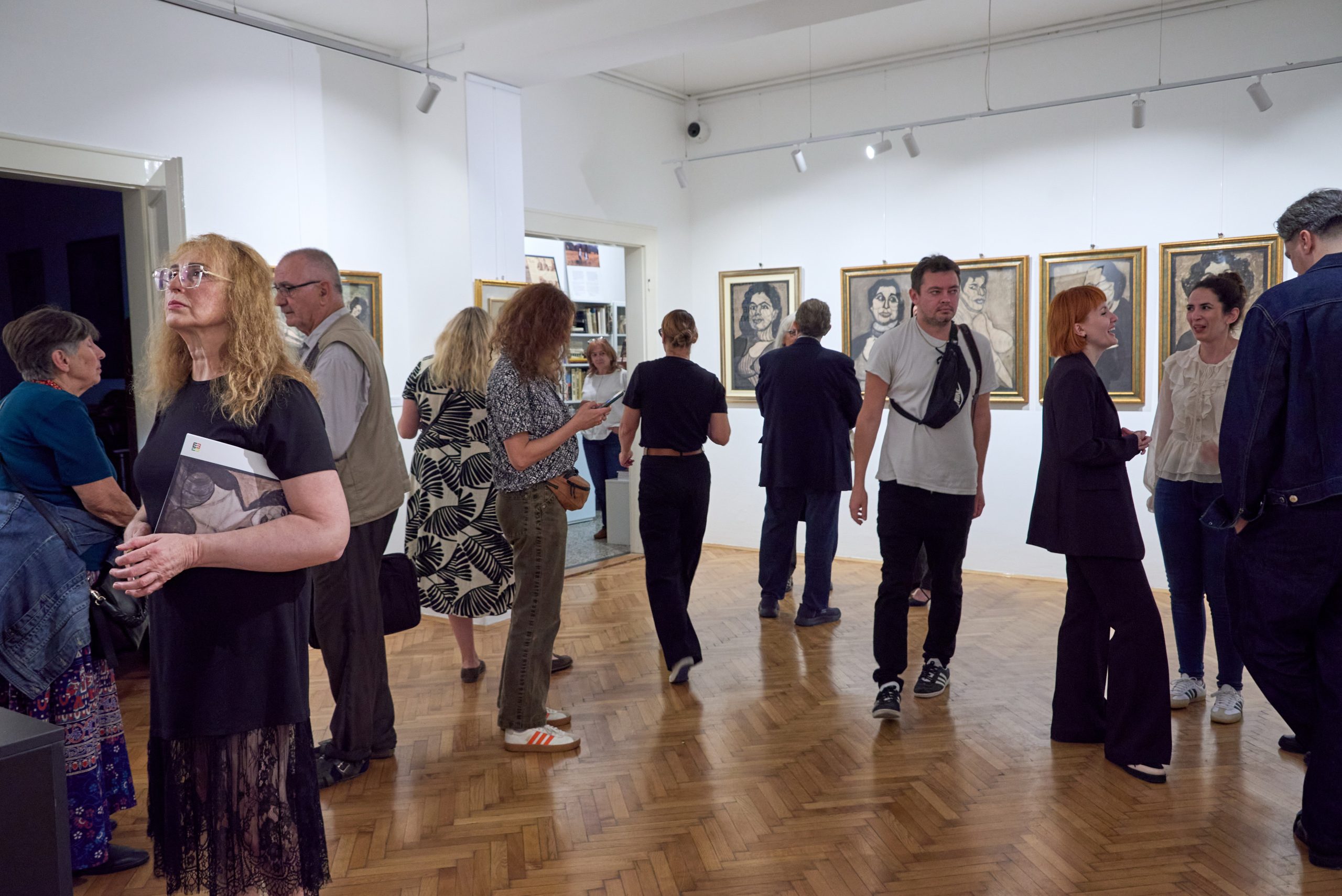
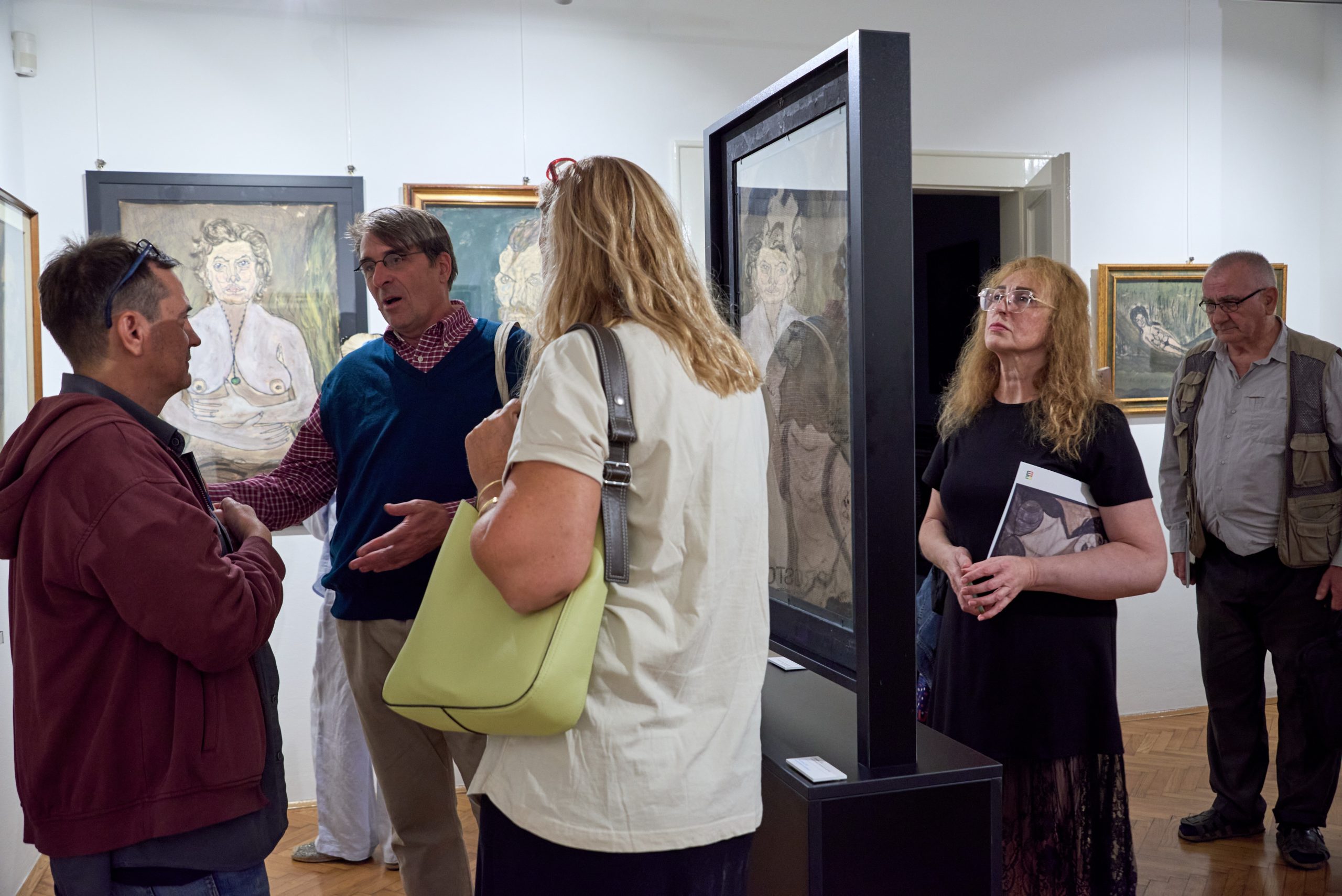
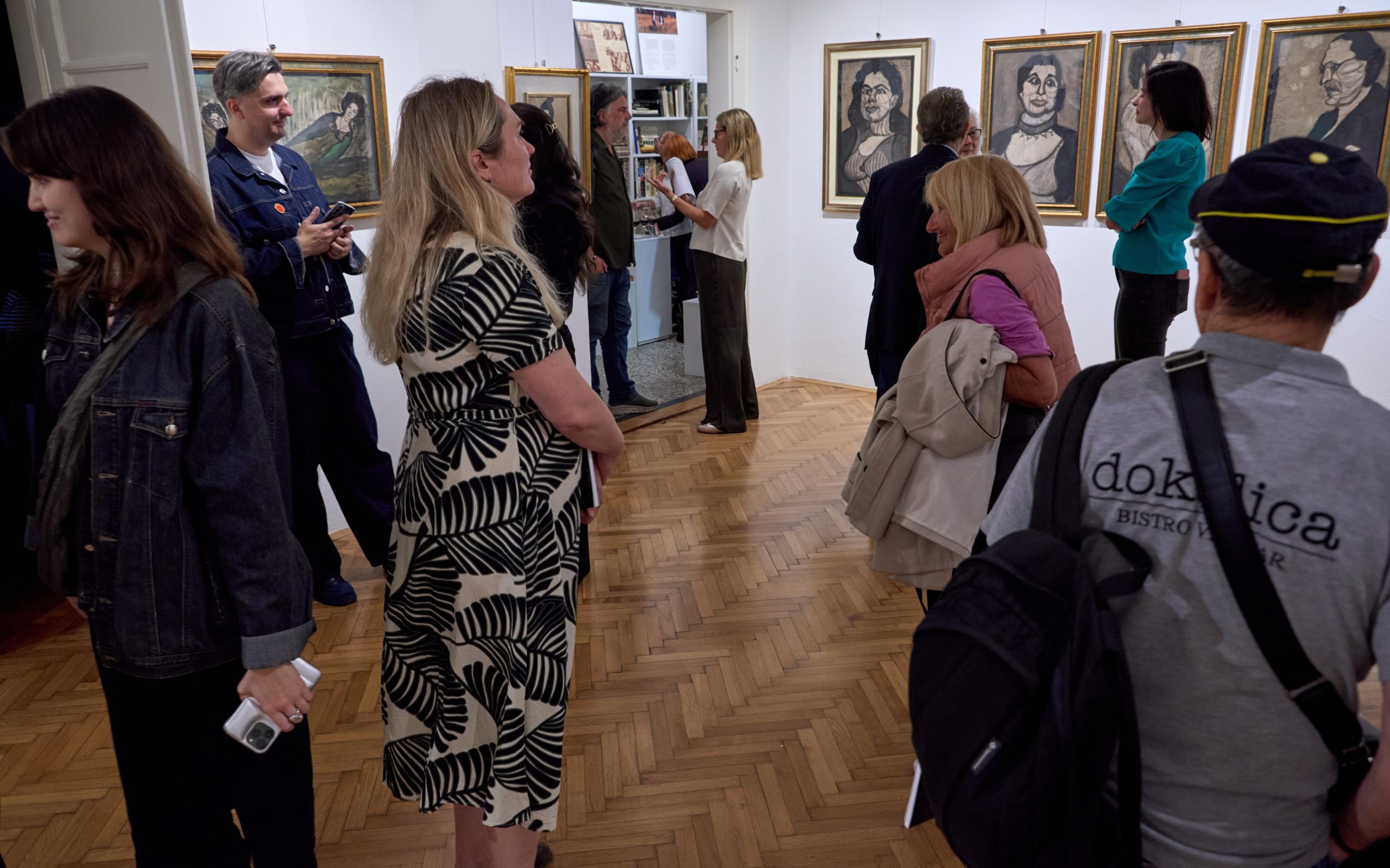
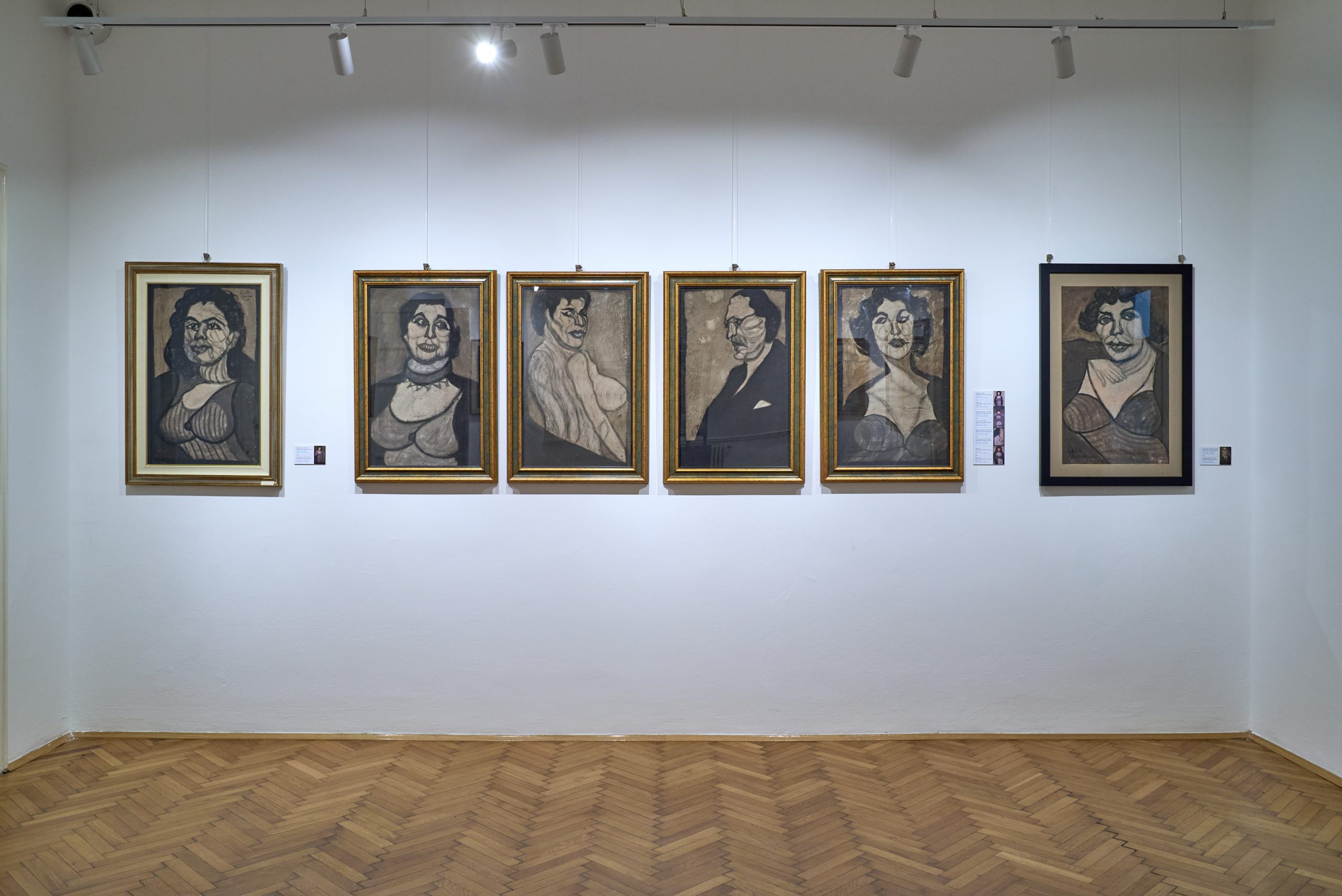
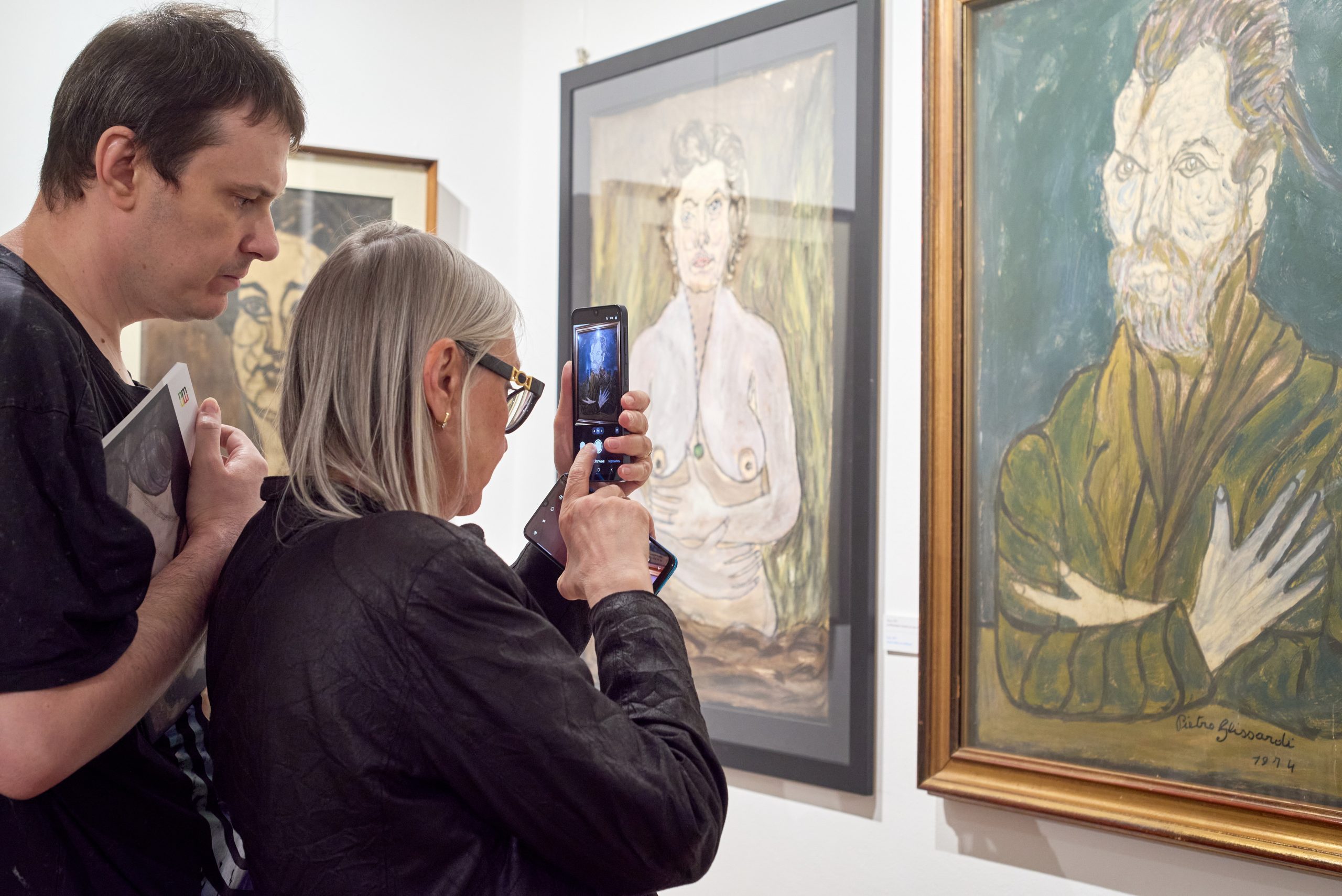
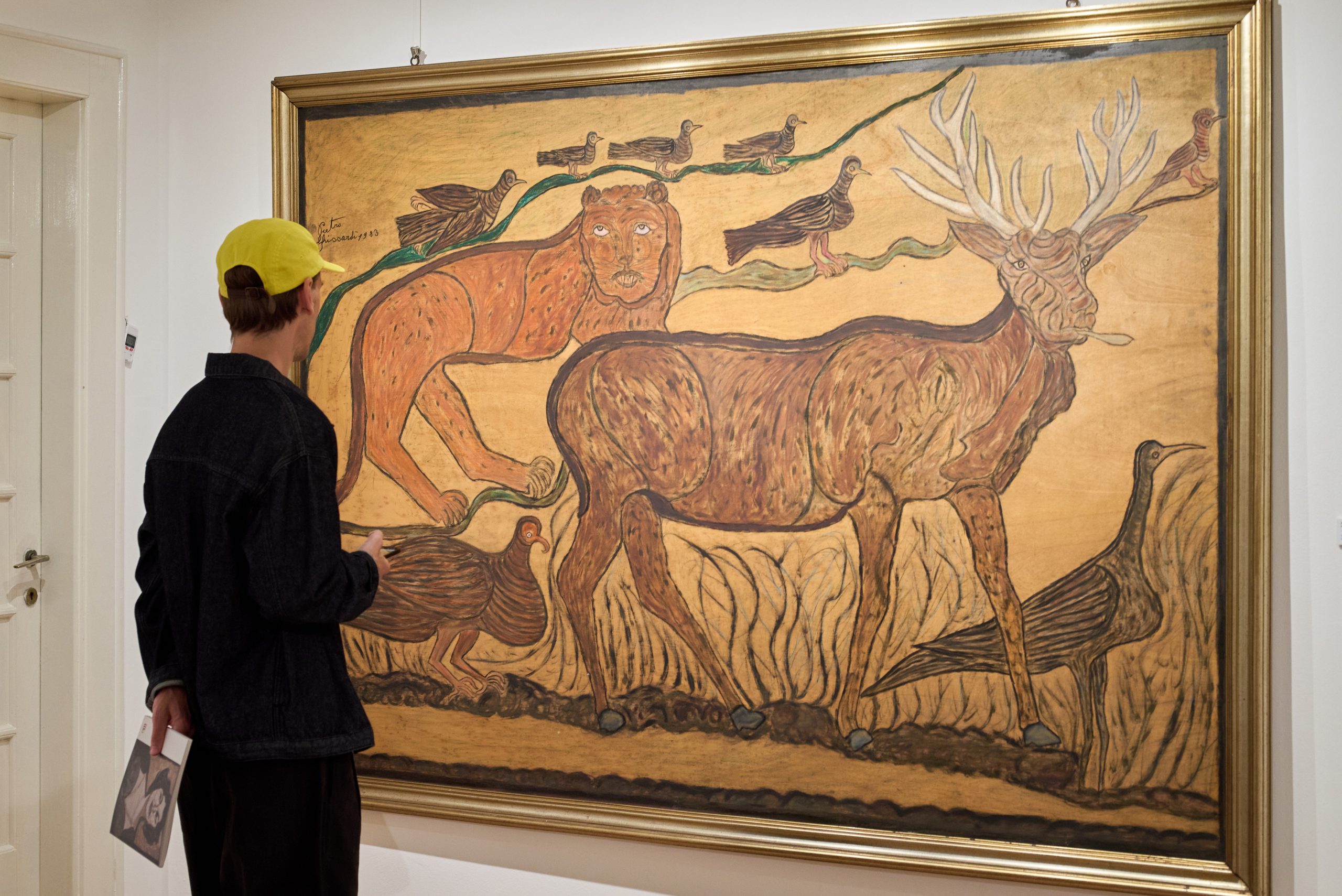
The exhibition Pietro Ghizzardi: Untamed Beauty will open at the Museum of Naïve and Marginal Art in Belgrade, at the Salon Oto Bihalji-Merin, on 8 October 2026 at 6 p.m.
The exhibition will present 30 works from the collection of Casa Museo Al Belvedere Pietro Ghizzardi in Boretto, Italy, as well as one work from a private collection in Serbia. The collaboration between the two institutions was initiated by Ivana Bašičević Antić, who was also responsible for the selection of the works.
The curators of the exhibition are Senka Latinović and Danica Đorđević Janković. The exhibition is accompanied by an extensive catalogue featuring a main essay by Cristina Agostinelli, curator of the Art Brut Collection at the Centre Pompidou, as well as introductory texts by Giulia Morelli Ghizzardi and Ivana Bašičević Antić.
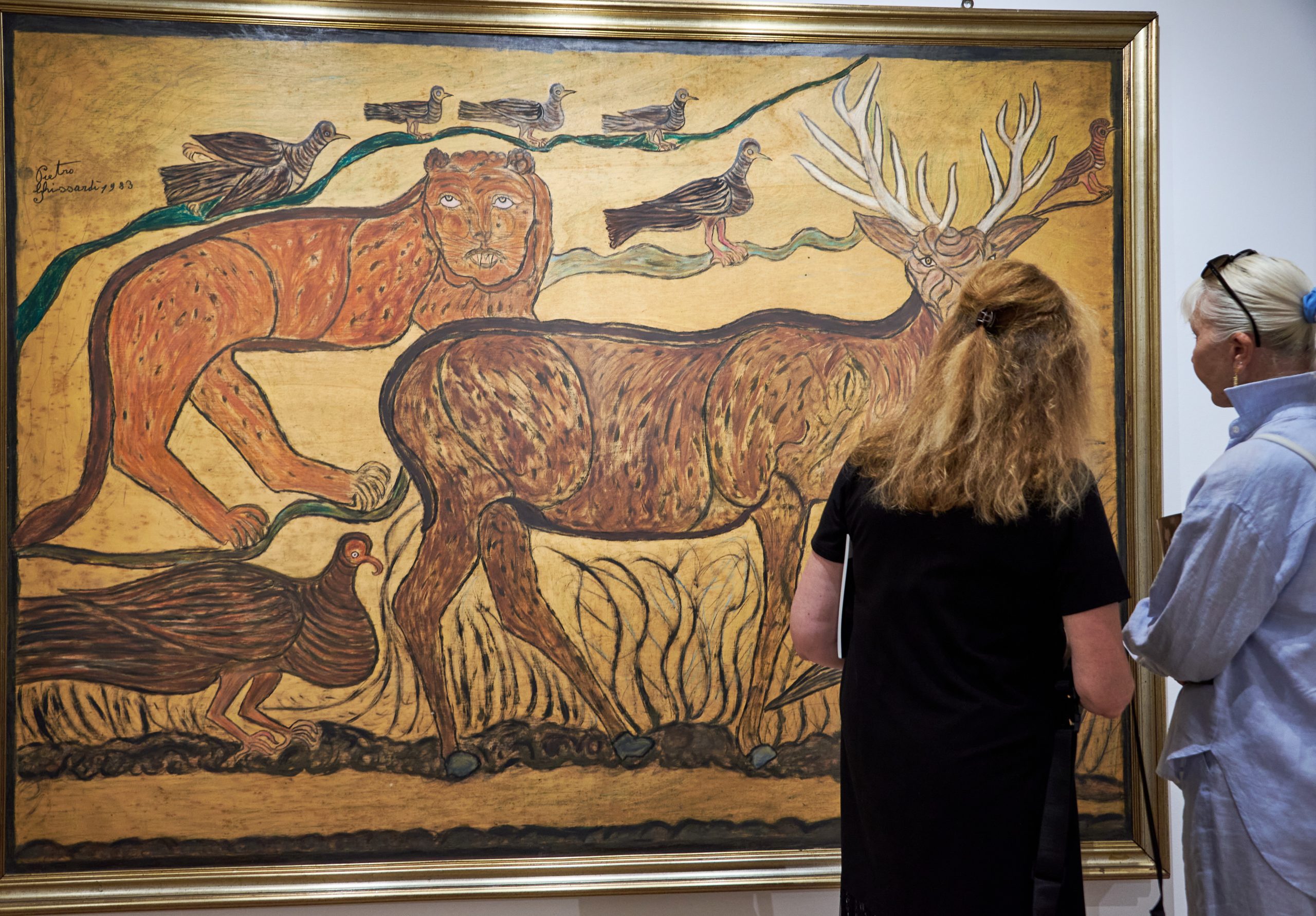
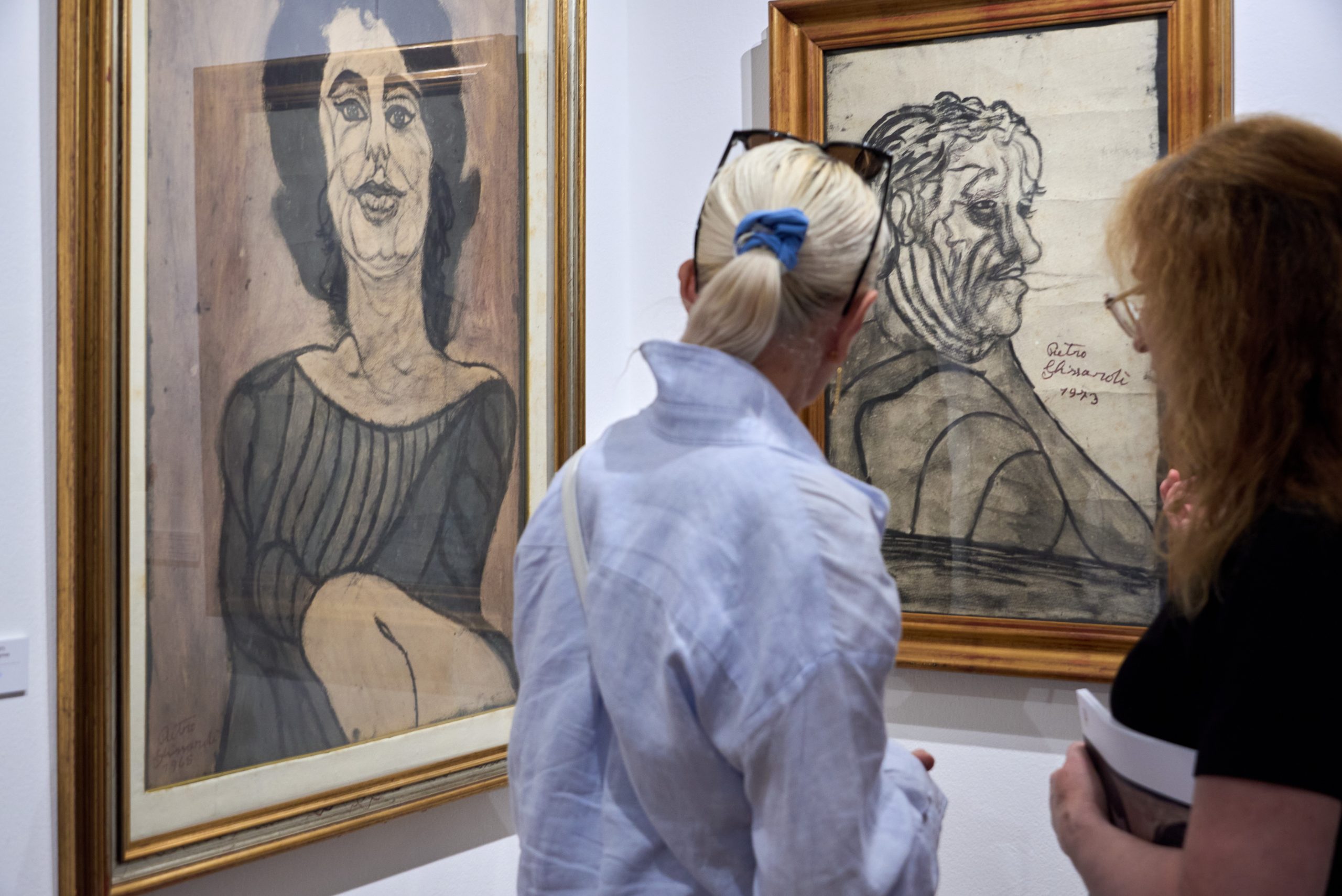
Pietro Ghizzardi (1906–1986), now regarded as one of the most important representatives of the European Outsider Art scene, was born into a modest peasant family near Mantua. Entirely self-taught, he showed a passion for drawing and painting from early childhood, using colours that he prepared himself from soot, alfalfa, earth and animal blood.
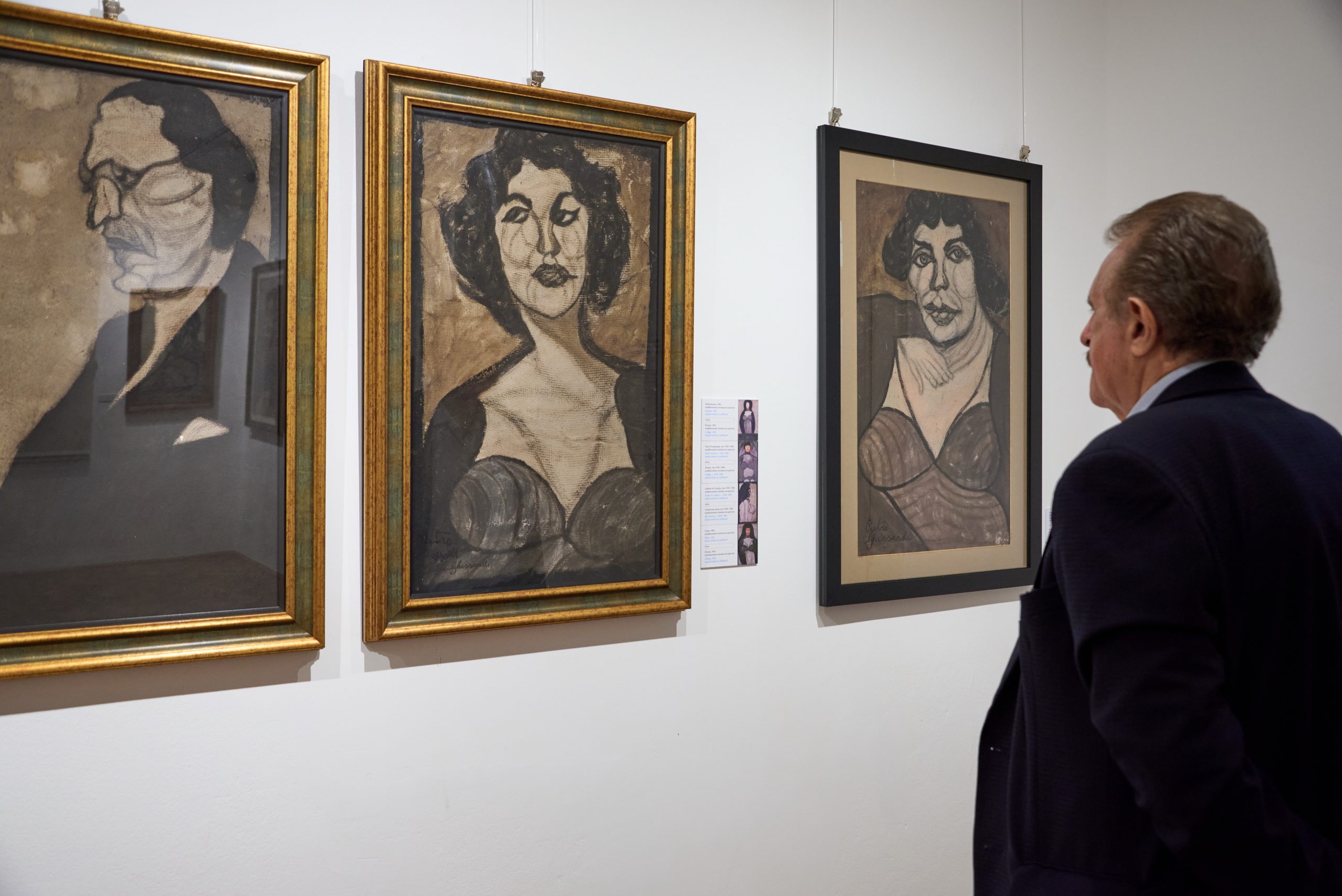
He most often painted portraits of women, both completely anonymous figures and famous film stars of the time, as well as well-known historical figures, animals and self-portraits.
In her essay, Cristina Agostinelli writes: “Ghizzardi does not seek a real or naturalistic likeness of his subjects; rather, he is inclined to temper their specific and immediately recognisable features through a process of deconstruction, in order to arrive at a personal, intimate interpretation of what lies beyond the visible, beyond that which, while admired, is all the more unattainable.16 In this sense, his painting is inevitably visionary. It is a gesture that transfigures, that distorts in order to reconfigure, that deconstructs in order to reconstruct itself.”
Giulia Morelli Ghizzardi identifies as a key fact that Ghizzardi places humanity and his search for a connection with it at the centre of his poetics: “Through a personal and recognisable style, he sought to express his own vision of the human being. His works are not beautiful in the popular sense of the word, but instead draw upon a free and deeply personal conception of beauty, expressed through his own visual vocabulary and placed in dialogue with the imagery of the rural culture from which he emerged.”
In her text, Ivana Bašičević Antić draws some compelling parallels: "His most recognisable method – collage and the appropriation of photographic clippings from illustrated magazines and daily newspapers – directly resonates with the postulates of Dadaism, Surrealism and the conceptual movements in the 1960s. The incorporation of ready-made media material into the painting surface, the subversion of the boundary between high and popular culture, the decontextualization of the found image – all these are strategies that position Ghizzardi within the broader field of neo-avant-garde research. It is precisely this unconscious coincidence that made his practice particularly interesting for contemporary art-historical analysis."
Ghizzardi’s work first gained wider recognition in 1961 at the Città di Guastalla art exhibition, and in 1968 he was awarded the President of the Republic’s Gold Medal at the national Città di Luzzara exhibition. Luzzara was also the hometown of the renowned intellectual and filmmaker, Neorealist Cesare Zavattini, who recognised, supported and promoted Ghizzardi’s work.
In 1976, the publishing house Einaudi published his autobiography, Mi richordo anchora (Још увек се сећамIn 1976, the publishing house Einaudi published his autobiography, Mi richordo anchora (I Still Remember), which won the prestigious Premio Letterario Viareggio in 1977. The book was adapted for the stage, released as a recording, and republished by Quodlibet in 2016.
Ghizzardi’s works are held in major international collections in France, Germany, Switzerland, Austria and Japan, and have been exhibited throughout Europe and around the world. In 2025, the documentary film Pietro Ghizzardi: pittore contadino (Pietro Ghizzardi: Peasant Painter), directed by Michele Gandin in 1965, was screened at the Grand Palais in Paris as part of the Art Brut Festival. Visitors will also have the opportunity to see this short film as part of the exhibition Pietro Ghizzardi: Untamed Beauty.
The exhibition will be on view until 6 December 2026.
Фото: Марија Коњикушић.